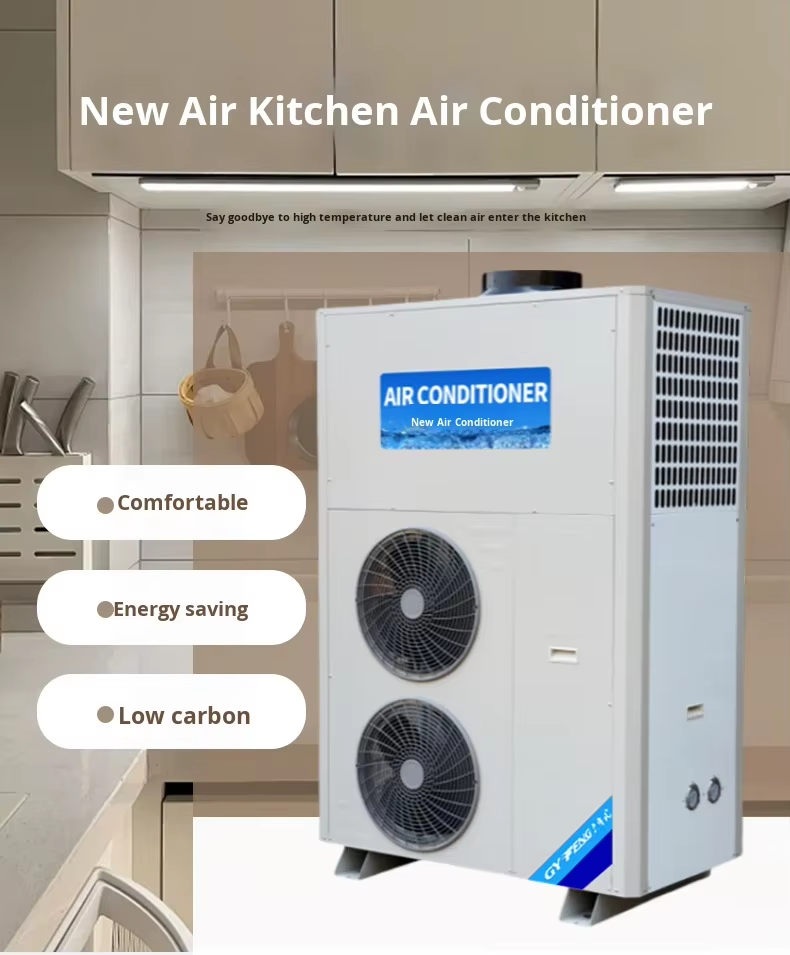
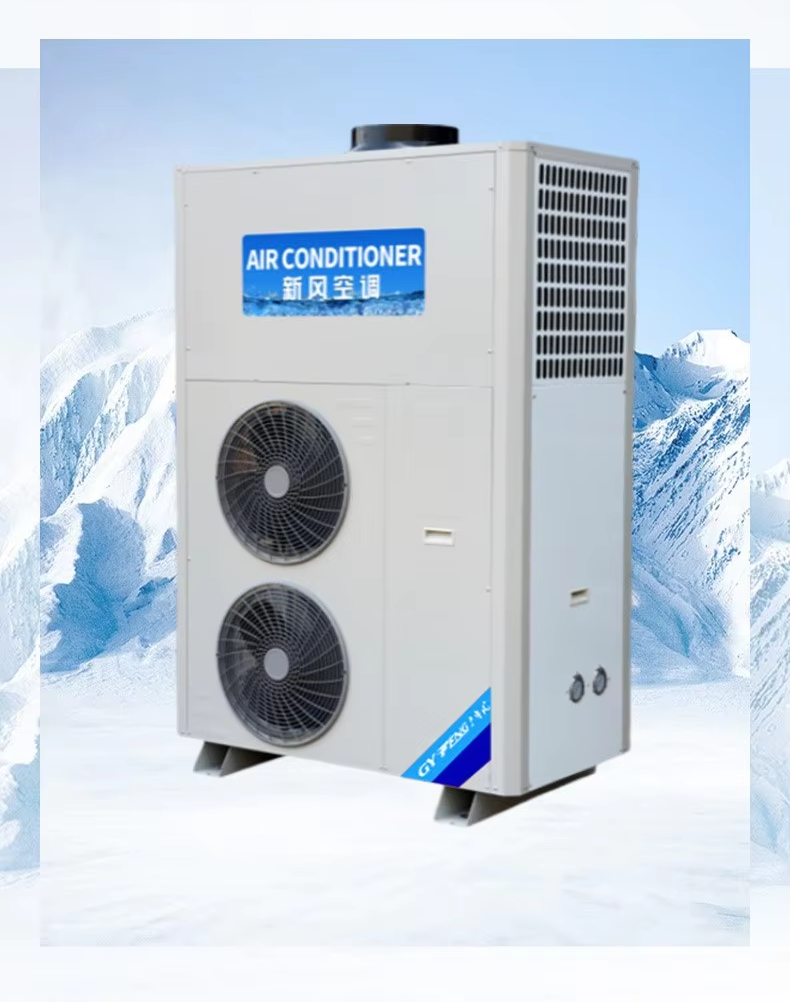
A kitchen air conditioner is a specialized cooling system engineered to meet the demanding environmental conditions found in both commercial and residential kitchens. Unlike conventional air conditioning units, which are primarily designed for comfort cooling in clean and controlled spaces, kitchen air conditioners are built to withstand high temperatures, heavy grease exposure, moisture, and continuous operation. As modern kitchens become more advanced and productivity-driven, the need for efficient, durable, and hygienic cooling solutions has grown significantly. This has made kitchen air conditioning systems an essential component in restaurants, hotels, food processing facilities, cloud kitchens, and even high-end home kitchens.
One of the most important characteristics of a kitchen air conditioner is its ability to handle extreme heat loads. Kitchens generate a substantial amount of heat from cooking appliances such as gas stoves, induction cooktops, ovens, fryers, and grills. Traditional air conditioners often struggle to cope with this level of heat, leading to inefficient cooling and increased energy consumption. Kitchen air conditioners, on the other hand, are designed with high-capacity compressors and enhanced cooling coils that allow them to maintain stable temperatures even in intense cooking environments. This ensures that the indoor climate remains comfortable for staff while also protecting temperature-sensitive ingredients and equipment.
Another key feature of kitchen air conditioning systems is their advanced filtration capability. Kitchens are environments filled with airborne grease particles, smoke, odors, and moisture. Standard air conditioning units can quickly become clogged or damaged when exposed to such contaminants. Kitchen air conditioners are equipped with multi-layer filtration systems, including grease filters, activated carbon filters, and sometimes electrostatic filters, which effectively capture airborne pollutants. This not only improves indoor air quality but also extends the lifespan of the system by preventing internal buildup.
Durability and corrosion resistance are also critical factors. Kitchen environments are often humid and contain corrosive elements such as oil vapors and cleaning chemicals. To address this, kitchen air conditioners are constructed using high-quality materials such as stainless steel or specially coated metals that resist rust and corrosion. This robust construction ensures long-term reliability and reduces maintenance costs, making them a cost-effective investment for businesses.
Energy efficiency is another major advantage of modern kitchen air conditioning systems. With rising energy costs and increasing environmental awareness, manufacturers have developed systems that deliver powerful cooling while minimizing energy consumption. Features such as inverter technology, variable speed compressors, and intelligent temperature control systems allow the unit to adjust its performance based on real-time conditions. This not only reduces electricity usage but also ensures consistent cooling without unnecessary energy waste. As a result, businesses can achieve significant savings in operational costs over time.
In addition to cooling, kitchen air conditioners play an important role in maintaining proper airflow and ventilation. While exhaust hoods and ventilation systems are responsible for removing heat and contaminants directly from cooking sources, air conditioners help balance the indoor environment by supplying cooled and filtered air. Some advanced systems are designed to integrate seamlessly with ventilation setups, creating a more efficient airflow pattern that enhances overall air circulation. This balanced approach helps prevent negative pressure issues, reduces the spread of smoke and odors, and improves the overall working environment.
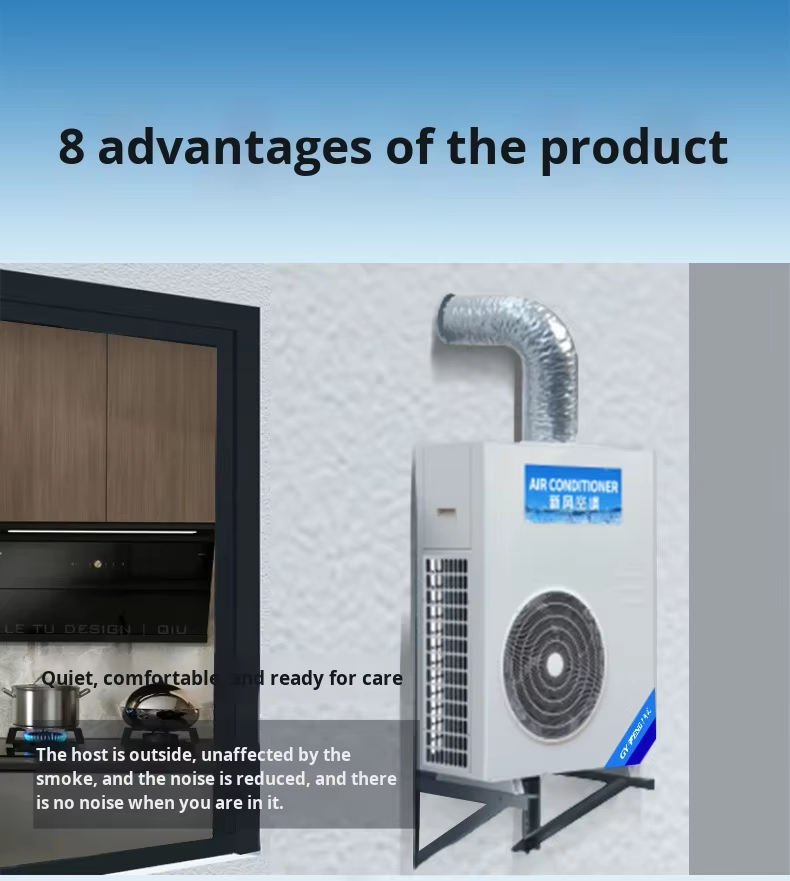
Flexibility in installation is another reason why kitchen air conditioners are widely adopted. Depending on the layout and size of the kitchen, different types of systems can be used, including wall-mounted units, ceiling cassette units, ducted systems, and portable air conditioners. Compact designs make it possible to install these systems in tight spaces without interfering with kitchen operations. For commercial kitchens with limited room, this flexibility is particularly valuable, as it allows for efficient use of available space while still achieving optimal cooling performance.
Noise control is also an important consideration in kitchen environments. Although kitchens are generally busy and noisy, excessive noise from cooling equipment can contribute to discomfort and stress among staff. Modern kitchen air conditioners are designed with noise-reduction technologies, such as insulated compressor compartments and low-noise fan blades, to ensure quieter operation. This contributes to a more pleasant and productive working environment.
Maintenance and ease of cleaning are essential aspects of any kitchen equipment, and air conditioning systems are no exception. Kitchen air conditioners are designed with user-friendly maintenance features, such as removable filters, accessible panels, and self-cleaning functions. Regular maintenance is crucial to ensure optimal performance, prevent breakdowns, and maintain hygiene standards. By simplifying the cleaning process, these systems help reduce downtime and labor costs associated with maintenance.
From a health and safety perspective, kitchen air conditioners contribute significantly to creating a safer working environment. High temperatures and poor air quality can lead to heat stress, fatigue, and reduced concentration among kitchen staff. By maintaining a comfortable temperature and improving air quality, these systems help reduce the risk of accidents and enhance overall workplace safety. In addition, proper temperature control is essential for food safety, as it helps prevent spoilage and bacterial growth.
In terms of applications, kitchen air conditioners are used across a wide range of settings. In commercial kitchens, such as those found in restaurants and hotels, they are essential for maintaining consistent operating conditions during peak hours. In food processing facilities, they help ensure compliance with strict hygiene and temperature regulations. In cloud kitchens and delivery-focused operations, efficient cooling systems support continuous production without compromising staff comfort. Even in residential kitchens, especially in regions with hot climates, kitchen air conditioners provide a more enjoyable cooking experience.
Another important aspect is the integration of smart technology. Many modern kitchen air conditioning systems come equipped with smart controls, allowing users to monitor and adjust settings remotely באמצעות mobile apps or centralized control systems. Features such as programmable timers, temperature sensors, and energy usage tracking provide greater control and convenience. This level of automation not only improves efficiency but also allows businesses to optimize their cooling strategies based on usage patterns.
Cost considerations are also a key factor when investing in a kitchen air conditioner. While the initial purchase cost may be higher than that of standard units, the long-term benefits often outweigh the investment. Reduced energy consumption, lower maintenance costs, improved productivity, and enhanced equipment lifespan all contribute to a strong return on investment. Businesses that prioritize high-quality systems can expect reliable performance and fewer disruptions over time.
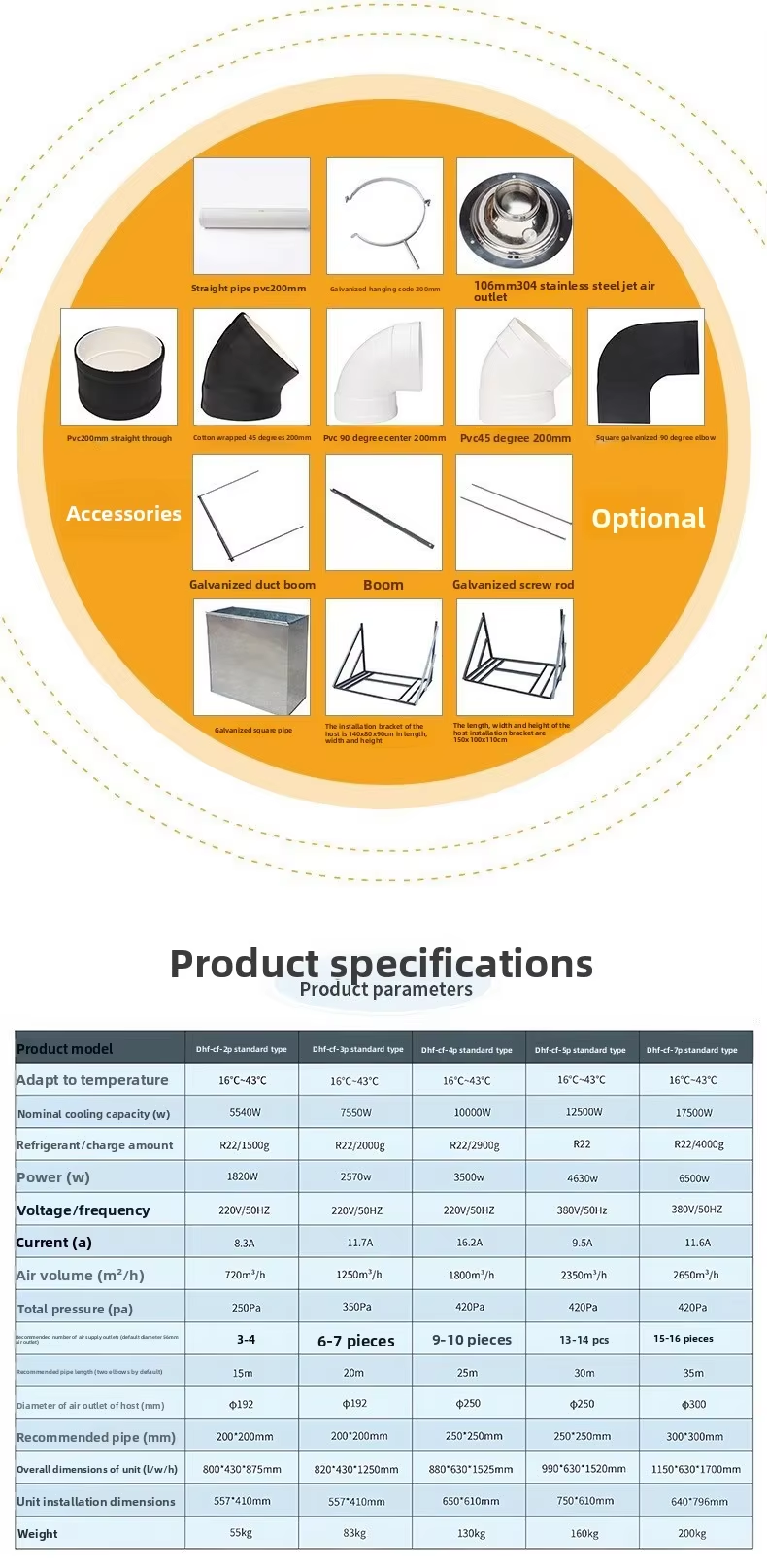
When selecting a kitchen air conditioner, it is important to consider several factors, including the size of the kitchen, the level of heat generated, ventilation requirements, and budget. Proper sizing is crucial to ensure efficient operation. An undersized unit may struggle to provide adequate cooling, while an oversized system can lead to unnecessary energy consumption. Consulting with HVAC professionals can help determine the most suitable solution based on specific needs.
Environmental sustainability is becoming increasingly important in the design and operation of kitchen air conditioning systems. Many manufacturers are now using eco-friendly refrigerants and designing systems that comply with international energy efficiency standards. By choosing environmentally responsible products, businesses can reduce their carbon footprint and contribute to sustainable development goals.
In conclusion, a kitchen air conditioner is far more than just a cooling device. It is a comprehensive climate control solution designed to address the unique challenges of kitchen environments. With features such as high cooling capacity, advanced filtration, durable construction, energy efficiency, and smart controls, these systems play a vital role in improving comfort, safety, and productivity. Whether in a commercial or residential setting, investing in a high-quality kitchen air conditioning system ensures optimal performance, long-term reliability, and a better overall working environment.





 English
 Español
 한국어
한국어 বাংলা
বাংলা



 واتس اب
 هاتف
هاتف